Author: koiXadpeminiros

  • Best pond cleaning tools: Nets, Vacuums, and Filters You Need

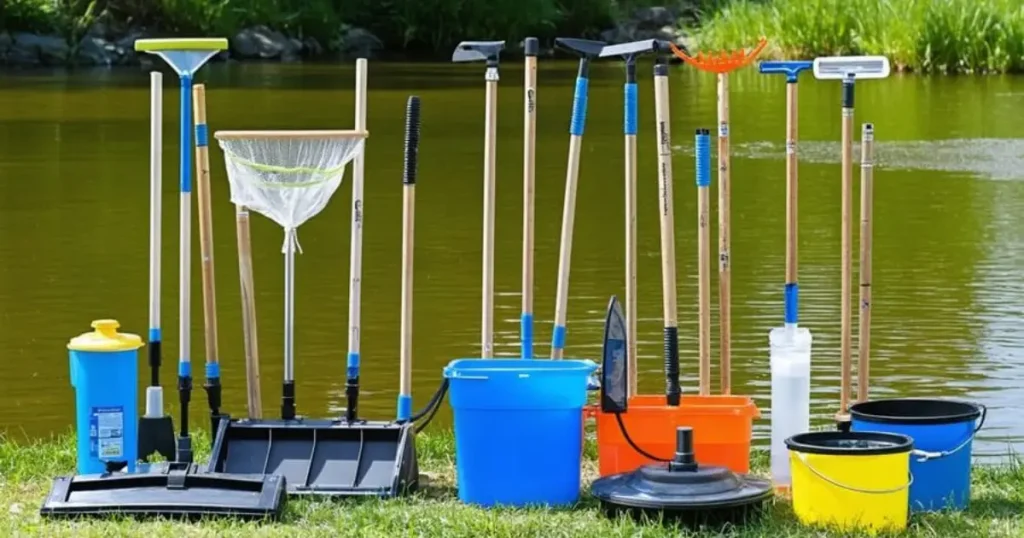
    Maintaining a clear, healthy koi pond in Southern California?s warm climate can feel like a constant battle against algae, debris, and murky water. Homeowners in Orange County and property managers in San Diego often face unique challenges due to year-round sunshine and seasonal winds. Choosing the right tools makes all the difference in keeping your pond vibrant and your koi thriving. This guide covers essential pond cleaning equipment, including nets, vacuums, and filters, tailored to Southern California?s conditions. By the end, you?ll know how to select tools that ensure a balanced ecosystem and stunning water feature.

    Here?s what this guide will help you understand:

    • How Southern California?s climate impacts pond maintenance needs.
    • The best nets for removing debris without harming koi.
    • Effective vacuums for tackling sludge in backyard and commercial ponds.
    • Advanced filtration systems to keep water clear and algae-free.
    • Additional tools to support a healthy pond ecosystem.

    Pond Maintenance Challenges in Southern California

    Southern California?s warm, sunny climate creates unique demands for pond maintenance. With average temperatures above 75?F for most of the year, algae grows rapidly, and debris from eucalyptus or palm trees collects quickly. A 2023 study from the University of California, Riverside, found that warm climates increase organic buildup by 30% compared to cooler regions. This affects water clarity and koi health, especially in areas like Los Angeles or Irvine. Fish-safe pond cleaning tools prevent harm to valuable koi, while eco-friendly pond cleaning tools reduce environmental impact, aligning with sustainable landscaping trends in Orange County.

    Regular cleaning keeps ponds clear and supports aquatic life. For instance, a homeowner in Santa Ana struggled with cloudy water until adopting a consistent maintenance routine with targeted tools. Whether you manage a small garden pond or a large water feature for an HOA in San Diego, the right tools for pond maintenance save time and prevent costly repairs. Let?s dive into the essential tools, starting with nets.

    Surface Debris Solutions: Pond Nets

    Pond nets are critical for removing surface debris like leaves, twigs, and pollen, which are common in Southern California?s windy months. These tools prevent organic matter from sinking and decomposing, which can cloud water and harm koi. Here?s a look at the most effective pond nets for keeping your pond clean:

    Skimmer Nets for Daily Cleaning

    Skimmer nets scoop lightweight debris like leaves or dust from the water?s surface. Their fine mesh captures small particles without disturbing koi. In Orange County, where tree litter is constant, a skimmer net is a must. Choose a net with a soft, knotless mesh to ensure koi safety. Brands like Tetra offer durable, fish-friendly options ideal for small ponds in Anaheim.

    Heavy-Duty Debris Nets

    For larger debris like branches or clumped algae, debris nets provide sturdy frames and deeper bags. These are perfect for seasonal cleanups after Santa Ana winds sweep through Riverside County. A long-pole debris net extends reach for larger ponds at hotels or municipal parks. Look for corrosion-resistant materials to withstand Southern California?s salty air.

    Koi-Safe Net Options

    Fish-safe cleaning tools are essential for koi ponds. These nets use soft, knotless mesh to handle koi during cleaning or relocation without causing stress or injury. For example, a client in Irvine used a koi-safe net to safely move fish during a deep clean, preserving their health. Brands like Laguna prioritize durability and koi protection, making them a top choice.

    When selecting a net, match it to your pond?s size and debris type. Store nets in a shaded, dry area to protect them from UV damage. Regular use of pond skimmer tools reduces strain on filtration systems, keeping your pond clear and healthy.

    Deep Cleaning with Pond Vacuums

    Sludge from fish waste, leaves, and algae settles on pond bottoms, especially in Southern California?s warm climate. Pond vacuums remove this buildup, ensuring clear water and a healthy environment for koi. Here?s a detailed look at vacuum options and their uses:

    Handheld Vacuums for Small Ponds

    Handheld pond vacuums are compact and easy to use, making them ideal for small backyard ponds in Orange or Santa Ana. They offer strong suction for light sludge and navigate around plants or rocks. A homeowner in Anaheim used a handheld vacuum to clear debris after a storm, restoring water clarity in hours. Choose models with adjustable suction to avoid disturbing koi.

    Heavy-Duty Vacuums for Large Ponds

    For larger ponds or commercial properties like HOAs in San Bernardino County, heavy-duty pond vacuums handle thick sludge and debris. These models feature high-capacity canisters and long hoses for extended reach. A hotel in San Diego used a heavy-duty vacuum to maintain a large water feature, impressing guests with its clarity. Look for models with multiple nozzles for versatility.

    Energy-Efficient Vacuum Options

    Eco-friendly pond vacuums use low-wattage motors to reduce energy consumption, aligning with Southern California?s sustainability goals. These vacuums clean effectively while minimizing environmental impact. For instance, a Riverside County client paired an energy-efficient vacuum with regular maintenance to keep their pond pristine. Brands like Oase offer models that balance power and efficiency.

    To use a vacuum, move slowly across the pond bottom to avoid stirring sediment, which can stress koi. Empty the canister frequently to maintain suction. After heavy rainfall, a quick vacuum session prevents sludge buildup. For consistent results, consider pond maintenance Southern California services at Koi Pros? Pond Maintenance to complement your vacuuming routine.

    Water Clarity Through Filtration Systems

    Filters are the cornerstone of a healthy pond, removing debris and controlling algae to maintain crystal-clear water. In Southern California?s sunny climate, where algae thrives, pond filter systems are vital. Here?s a breakdown of the best filtration options:

    Biological Filters for Natural Balance

    Biological filters use beneficial bacteria to break down organic waste, creating a natural balance in koi ponds. They support fish health without relying on chemicals, making them ideal for eco-conscious homeowners in Irvine. Regular backwashing keeps these filters effective. A 2022 Aquatic Science Journal study found that biological filters reduce ammonia levels by 40%, improving koi health.

    Mechanical Filters for Debris Removal

    Mechanical filters trap physical debris like leaves or fish waste, ensuring water clarity. They?re essential in urban areas like Los Angeles, where dust settles into ponds. A property manager in Santa Ana used a mechanical filter to maintain a clear pond for an HOA. Choose filters with easy-to-clean media to simplify pond maintenance.

    UV Clarifiers for Algae Control

    UV clarifiers use ultraviolet light to kill algae, preventing green water in Southern California?s sunny conditions. They?re low-maintenance and pair well with other filters. A municipal park in Orange County installed a UV clarifier to keep their pond algae-free, enhancing its aesthetic. Select a clarifier sized for your pond?s volume to ensure effectiveness.

    When choosing a filter, consider your pond?s size and koi population. Small ponds in Anaheim may need only a mechanical filter, while large commercial ponds in San Diego benefit from a combination of biological and UV systems. Regular maintenance, like cleaning filter media, prevents clogs and extends filter life. Proper filtration keeps your pond vibrant and healthy year-round.

    Supporting Tools for a Balanced Pond Ecosystem

    Additional pond cleaning tools enhance your maintenance routine, addressing Southern California?s unique challenges and ensuring koi safety. Here?s a look at complementary tools to keep your pond thriving:

    Aerators for Oxygen and Circulation

    Pond aerators boost oxygen levels, critical for koi health in warm climates. Surface aerators, like fountains, add aesthetic appeal for hotels in San Diego, while diffused aerators suit deeper ponds in Riverside County. A 2023 study by the California Water Board found aerators reduce algae growth by 25%. Regular cleaning of air tubing prevents blockages.

    Water Testing Kits for Quality Monitoring

    Water testing kits measure pH, ammonia, and nitrates, essential for Southern California?s variable conditions. Kits like API Pond Master provide accurate results for homeowners in Orange. A client in Irvine used a testing kit to detect high ammonia, preventing koi stress. Test weekly during warm months to maintain balance.

    Beneficial Bacteria for Sludge Reduction

    Beneficial bacteria treatments reduce sludge and algae naturally, supporting eco-friendly pond cleaning equipment. Products like Microbe-Lift, safe for koi and the environment, break down organic matter. A San Bernardino County HOA used bacteria treatments to clear a murky pond, saving on maintenance costs. Apply monthly for best results.

    Brushes and Rakes for Targeted Cleaning

    Pond cleaning brushes and pond rakes remove algae from rocks or debris near edges. These manual tools are ideal for DIY enthusiasts in Santa Ana. A long-handled rake helps reach deep areas without disturbing koi. Use brushes with soft bristles to avoid scratching pond liners.

    These tools work together to maintain a balanced ecosystem. For example, a Los Angeles client combined aerators and bacteria treatments to prevent algae blooms, keeping their pond clear. Regular use of pond debris removal tools ensures a healthy, attractive water feature.

    Koi Pros for Pond Maintenance: Your Trusted Partner

    With over 40 years of experience, Koi Pros leads koi pond cleaning services in Southern California. Our licensed technicians use advanced filtration and eco-friendly methods to maintain vibrant ponds for homeowners, HOAs, hotels, and municipal parks in Orange County, Los Angeles, and San Diego. A client, Aurore Annick, said, ?My murky pond became a stunning centerpiece after Koi Pros? service.? Our personalized plans address your pond?s unique needs, ensuring clarity and koi health. Request a free quote today at (714) 500-7381 or visit koi-pros.com.

    Common Questions About Koi Pond Care

    Here are answers to frequent questions about maintaining your koi pond in Southern California, helping you choose the best pond nets, vacuums, and filters:

    How Often Should I Clean My Koi Pond in Southern California?

    Clean your pond every two weeks from March to October due to rapid algae growth in warm weather. Use pond skimmer tools for surface debris and portable pond vacuums for sludge. Regular cleaning prevents murky water and protects koi, especially in Orange County?s sunny climate.

    What Are the Safest Cleaning Tools for Koi?

    Koi-safe cleaning tools like soft-mesh nets and low-impact pond vacuum cleaners prevent stress or injury to koi. Brands like Oase offer fish-friendly vacuums that clean effectively without disturbing aquatic life, ideal for homeowners in Irvine.

    How Do Eco-Friendly Tools Save Maintenance Costs?

    Eco-friendly pond cleaning tools, like energy-efficient pond sludge removal tools and bacteria treatments, reduce chemical use and power costs. A San Diego client saved 20% on maintenance by using sustainable tools, aligning with Southern California?s green initiatives.

    When Should I Hire a Professional for Pond Cleaning?

    Hire professionals for deep cleanings, filtration repairs, or persistent algae issues. For commercial properties in Los Angeles or busy homeowners in Santa Ana, Koi Pros? services ensure lasting results, saving time and effort.

    Maintaining Your Pond?s Beauty

    Keeping your koi pond clear and healthy in Southern California requires a combination of garden pond cleaning supplies, including nets, vacuums, and filters. Supporting tools like pond aerators, water testing kits, and beneficial bacteria treatments enhance your efforts, ensuring koi safety and sustainability. Southern California?s warm climate demands consistent maintenance, but the right professional pond cleaning tools make it manageable. Koi Pros, with 40 years of experience, helps homeowners, HOAs, and hotels in Orange County, Los Angeles, and San Diego maintain stunning water features. Contact Koi Pros at (714) 500-7381 or visit koi-pros.com to schedule a consultation and keep your pond thriving.
  • Signs Your Pond Needs Professional Cleaning Services

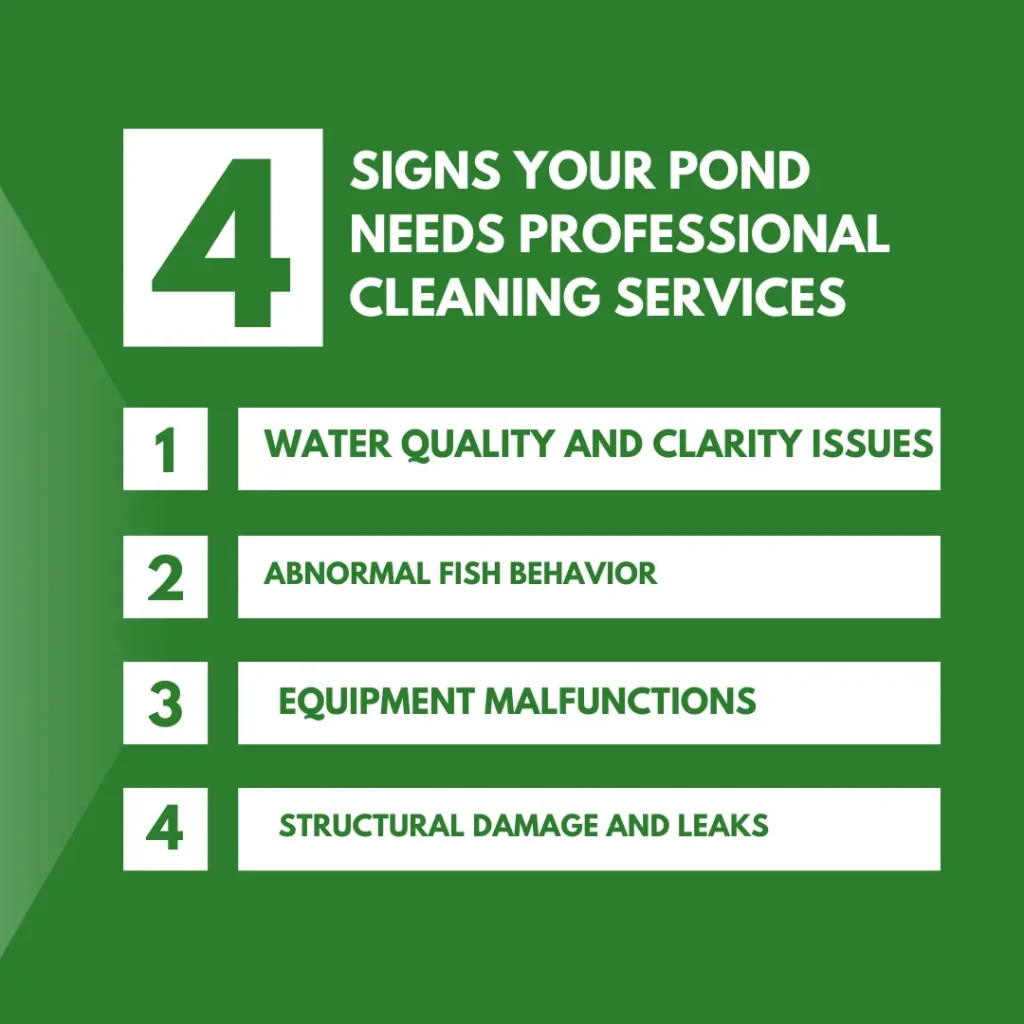
    Ponds create serene beauty in Southern California landscapes, from tranquil koi ponds in Irvine backyards to elegant water features at Anaheim hotels. These aquatic systems support fish, plants, and wildlife, enhancing property appeal. However, maintaining balance proves challenging due to intense sunlight, sparse rainfall, and debris buildup common in the region. Small imbalances can escalate into murky water, stressed fish, or structural issues if ignored. Recognizing early signs allows property owners to act swiftly, preserving their pond?s health. This guide details key indicators signaling the need for professional attention, covering water conditions, fish behavior, equipment function, and structural integrity. By the end, you?ll know how to:

    • Spot water quality issues like algae or sludge accumulation.
    • Identify fish distress tied to environmental shifts.
    • Detect equipment failures impacting pond function.
    • Recognize structural damage needing expert repair.
    • Plan seasonal care to thrive in Southern California?s climate.

    Common Signs Your Pond Needs Professional Cleaning

    Ponds rely on a delicate balance of water, biology, and mechanics. When routine upkeep fails, clear signs emerge, amplified by Southern California?s dry heat and occasional rains. Homeowners, HOAs, and property managers in Orange County or Los Angeles benefit from understanding these cues to protect their investment. Below, we outline the primary signals indicating a need for professional intervention.

    Water Quality and Clarity Issues

    Cloudy water or foul smells often signal pond water clarity issues. Southern California?s sunny climate fuels rapid excessive algae growth due to nutrient-rich conditions from runoff or fish waste. Green or brownish water reduces visibility, often below 18 inches, blocking sunlight for submerged plants and lowering oxygen levels.

    Key indicators include:

    • Cloudiness: Suspended soil, pollen, or organic matter from erosion or decay clouds water, common in Riverside County?s dry soils.
    • Algae blooms: Green water from phosphorus or nitrogen spikes, worsened by summer heat reaching 85?F.
    • Foul odors: Rotten smells from pond sludge buildup, where leaves and food decompose in low-oxygen zones.
    • Surface films: Oily sheens from pollution or overfeeding, trapping heat and stressing aquatic life.
    IssueCauseImpact
    Cloudy waterSoil erosion, organic decayBlocks sunlight, harms plants
    Green waterNutrient overload (phosphorus, nitrogen)Reduces oxygen, stresses fish
    Foul odorsDecomposing sludge, poor circulationUnpleasant environment, bacterial growth
    Surface filmsPollution, excess fish foodTraps heat, lowers oxygen

    Pond debris removal services tackle leaves, twigs, and pollen fueling nutrient spikes. In fall, coastal oaks drop heavily, clogging surfaces. Testing pH (ideal 6.5?8.5) or nitrates (below 40 mg/L) confirms imbalances. Persistent issues after skimming suggest deeper problems needing pond algae problem solutions. Professionals use beneficial bacteria and advanced biofilters to restore clarity safely, avoiding chemicals. For backyard ponds in Irvine, weekly clarity checks prevent escalation. Seasonal shifts, like spring runoff or summer evaporation, intensify these issues, so logging conditions with photos aids tracking.

    Abnormal Fish Behavior and Health Concerns

    Fish, especially koi, reveal pond health through behavior and appearance. Fish health problems emerge as subtle or overt changes, often before water issues are visible. Southern California?s warm temperatures, often exceeding 80?F, lower oxygen solubility, stressing fish.

    Common signs include:

    • Gasping at surface: Indicates oxygen levels below 5 mg/L, worsened by heat or aquatic plant overgrowth.
    • Lethargy: Sick or dying fish hover near bottoms due to ammonia spikes above 0.25 mg/L or pH imbalance.
    • Erratic swimming: Darting or rubbing against rocks suggests parasites from mosquito breeding in stagnant areas.
    • Appetite loss: Stress from toxins or temperature swings stops feeding, leading to weight loss.
    BehaviorPossible CauseAction Needed
    Gasping at surfaceLow oxygen, high temperatureIncrease aeration, test oxygen levels
    LethargyAmmonia buildup, pH imbalanceTest water, perform partial water change
    Erratic swimmingParasites, chemical irritantsInspect for pests, treat with care
    Appetite lossToxins, temperature shocksMonitor feeding, adjust environment

    In Anaheim, urban runoff introduces metals, subtly impacting fish over months. Pond health inspection tests oxygen, ammonia, and hardness. A homeowner in Santa Ana noticed koi clustering near a fountain, signaling low oxygen, fixed by adding an aerator. Overstocking?one koi per 250 gallons is ideal?worsens stress, especially in dense vegetation. Logging feeding patterns helps correlate behavior with weather events.

    Preventive steps include 10% water changes weekly and balanced feeding. When multiple fish show distress, isolating affected ones prevents disease spread. Professionals ensure fish pond care services address root causes, protecting valuable koi in Irvine or wildlife in San Diego ponds.

    Equipment Malfunctions

    Pond equipment maintains flow and cleanliness, but failures disrupt ecosystems. Pond filter maintenance services address filter clogging, where debris saturates media, reducing efficiency. In Riverside County, dust storms clog filters biweekly, causing solids to recirculate and cloud water.

    Other equipment issues include:

    • Pump malfunction: Weak flow or humming signals jammed impellers or worn seals, common in dusty San Bernardino County air.
    • Skimmer issues: Overflowing baskets let debris cycle, promoting algae during windy fall months.
    • UV clarifier failure: Dim bulbs or scaled sleeves fail to control algae, especially in San Diego?s hard water.
    • Aerator breakdown: Ceased bubbles create anoxic zones, risking fish kills in deep commercial ponds.
    EquipmentSymptomCause
    FilterCloudy water, high pressureClogged media, debris buildup
    PumpWeak flow, humming noiseJammed impeller, motor wear
    SkimmerFloating debris, algae growthFull basket, mechanical failure
    UV ClarifierPersistent green waterWeak bulb, scaled sleeve

    Troubleshooting checks power and clears intakes, but complex repairs like impeller fixes need expertise. Preventing pond water problems requires matching equipment to pond size?1,000 GPH pumps for 2,000-gallon ponds. A hotel pond in Anaheim lost flow from a clogged pump, resolved by professional cleaning. Logging flow rates monthly spots declines; a 20% drop signals action. Regular maintenance, especially for high-use features, ensures reliability through Southern California?s heat waves.

    Structural Damage and Leaks

    Physical wear threatens pond stability. Pond liner damage begins with pinholes from roots or stones. UV exposure in Southern California cracks EPDM liners over 5?10 years, causing slow leaks. Water loss exceeding one inch weekly, beyond evaporation, suggests breaches, traceable with dye.

    Other structural issues include:

    • Cracks in concrete: Fissures from ground shifts in Los Angeles widen under pressure.
    • Soggy soil: Wet patches near edges, like a Santa Ana pond?s cracked skimmer seal, signal seepage.
    • Erosion: Wave action or runoff erodes banks, exposing liners to UV damage.
    • Settling: Shifting rocks from poor compaction undermine foundations, common in Riverside County.
    IssueIndicatorCause
    Water lossLevels drop over one inch weeklyLiner tears, fitting failures
    Soggy soilWet patches, lush grass near edgesSubsurface leaks, pipe issues
    ErosionExposed liners, cloudy waterWave action, runoff
    SettlingTilted rocks, uneven edgesPoor compaction, soil shifts

    Inspections use cameras to map tears or pressure tests to pinpoint leaks. Repairs range from patches to full relining. In San Diego?s clay soils, moisture shifts stress structures, so annual checks post-rains catch issues. Preventive measures like geotextile fabrics or boulders reinforce banks, ensuring pond restoration services maintain integrity.

    Seasonal and Preventive Considerations for Pond Care

    Southern California?s climate shapes pond care. Seasonal pond cleaning help peaks in spring, clearing winter debris like oak leaves to prep for growth. Vacuuming removes pond sludge buildup, preventing nutrient spikes. A homeowner in Irvine restored clarity by netting debris in April.

    Key seasonal strategies include:

    • Spring: Clear debris, test water, and adjust filtration for growth season.
    • Summer: Add shade or aeration to counter heat-driven excessive algae growth, common at 90?F in Anaheim.
    • Fall: Harvest aquatic plant overgrowth and net trees to reduce leaf fall, especially in windy San Diego.
    • Winter: Check heaters for rare freezes below 40?F; maintain minimal flow to avoid stagnation.
    SeasonTaskPurpose
    SpringDebris clearing, water testingPrep for growth, prevent algae
    SummerShading, aerationCounter heat, maintain oxygen
    FallPlant harvesting, nettingReduce debris, control nutrients
    WinterHeater checks, minimal circulationPrevent stagnation, protect equipment

    Backyard pond cleaning help uses DIY nets, but deep cleaning needs professional vacuums. Commercial ponds in hotels require weekly skimming in high-traffic zones. Native plants like rushes filter naturally, suiting local ecology. Rain gardens divert runoff, cutting pollutants. Logging weather and maintenance via apps tracks trends, ensuring preventing pond water problems year-round.

    When to Hire Professional Pond Cleaning

    When to hire professional pond cleaning depends on issue severity. Persistent cloudiness, fish distress, or equipment failure signals systemic problems. Residential ponds need annual deep cleans, while koi systems require quarterly checks due to sensitive stock. Commercial setups in Riverside County parks benefit from monthly visits.

    Triggers include:

    • Ammonia above 0.5 mg/L or oxygen below 4 mg/L.
    • Algae covering 30% of the surface.
    • Pump downtime exceeding 48 hours.

    Professionals assess local factors like sun exposure in Orange County. Preventive plans cost $300?$500, versus $2,000+ for emergency fixes. Detailed records aid resale, proving care history.

    Pond Cleaning Signs

    Pond cleaning signs span multiple areas:

    • Water: Cloudy, green, or smelly water from nutrient overload.
    • Fish: Lethargy or erratic movement signaling toxins or low oxygen.
    • Equipment: Weak flow or noises indicating clogs or wear.
    • Structure: Water loss or soggy soil from leaks or erosion.

    Southern California?s heat and winds amplify these. Journaling conditions weekly tracks patterns, guiding professional intervention when signs cluster.

    Professional Pond Maintenance

    Professional pond maintenance ensures holistic care:

    • Diagnostics: Test water for pH, ammonia, and nitrates.
    • Cleaning: Vacuum depths, replace filter media.
    • Optimization: Adjust systems for koi or wildlife needs.

    Residential ponds in Irvine simplify with routine plans, while commercial setups in Los Angeles prioritize durability. Local tweaks, like drought-resistant designs, enhance longevity. Pros teach monitoring, empowering owners.

    Why Koi Pros for Pond Cleaning? We Put Your Needs First

    Koi Pros, serving Southern California since 1985, offers unmatched expertise in residential pond maintenance and commercial pond cleaning. Our licensed technicians restored a murky Irvine koi pond to clarity in days, using eco-friendly pond cleaning services like bacterial treatments and advanced filtration. We?ve revitalized hotel features in Anaheim and park ponds in Riverside County, earning praise for tailored solutions. Our plans fit your needs, from pond restoration services to bi-weekly care, ensuring lasting results that boost property value.

    FAQs on Pond Care

    How often should seasonal pond cleaning occur?
    Clean in spring and fall for growth cycles. High-use ponds need quarterly checks.

    What role does professional pond care play in fish pond care services?
    It maintains safe water for koi, controlling toxins and oxygen levels.

    How do eco-friendly pond cleaning services manage pond sludge buildup?
    Bacterial additives and mechanical cleaning decompose sludge without chemicals.

    What indicates the need for pond filter maintenance services?
    Cloudy water or high pressure signals clogs needing expert attention.

    How can pond restoration services handle pond liner damage?
    Patches or relining seal leaks, guided by precise inspections.

    What steps prevent pond water clarity issues in commercial pond cleaning?
    Filtration, testing, and debris removal maintain transparency.

    When is a pond health inspection recommended for residential pond maintenance?
    Annually or post-storms to catch pH or nutrient shifts.

    How does professional pond maintenance support koi pond professional cleaning?
    Specialized techniques protect fish during deep cleans.

    What distinguishes full-service pond cleaning from basic efforts?
    It includes inspections, repairs, and preventive care with advanced tools.

    How do pond debris removal services address dirty pond warning signs?
    They clear leaves and sediment, reducing nutrients and restoring clarity.

    Client Testimonial

    ?Our Santa Ana pond was cloudy, with koi acting sluggish. The team assessed filtration, cleared debris, and balanced water. Within days, the pond sparkled, and our fish thrived. Their natural approach impressed us.? ? Diodore Nathana?l, Property Manager, Santa Ana

    Conclusion

    Ponds in Southern California require careful attention to thrive. Cloudy water, stressed fish, failing equipment, or structural wear signal professional needs. Early action prevents algae blooms, fish loss, or costly repairs. Seasonal care?spring debris clearing, summer aeration, fall netting, and winter checks?maintains balance. Regular testing and debris control ensure clarity and health. For persistent issues, expert care restores ecosystems efficiently, preserving your pond?s beauty. Contact Koi Pros at (714) 500-7381 or visit 529 W Blueridge Ave, Orange, CA 92865 to schedule a consultation and keep your pond vibrant.

  • Algae Removal and Control: Keeping Your Pond Clear All Year Long

    A backyard pond in Orange County should sparkle under the Southern California sun, showcasing vibrant koi or lush aquatic plants. Yet, algae often cloud the water, cover rocks, or tangle plants, frustrating homeowners, HOAs, and property managers in areas like Los Angeles or San Diego. Algae growth is a natural part of pond ecosystems. Excessive blooms, fueled by the region?s intense sunlight and nutrient-rich runoff, harm fish health, obscure beauty, and create maintenance challenges. From murky green water to stringy strands, these issues are common but manageable with practical, sustainable strategies tailored to Southern California?s climate.

    This guide will show you how to:

    • Identify algae types and their causes in local ponds.
    • Prevent blooms with eco-friendly, region-specific methods.
    • Remove algae safely to protect koi and ecosystems.
    • Maintain clear water with seasonal care and advanced tools.

    Decoding Pond Algae: Types and Triggers

    Understanding algae removal pond challenges begins with knowing what algae are and why they grow. Algae are simple, plant-like organisms that thrive in water using sunlight and nutrients like nitrogen or phosphates. In Southern California?s backyard ponds, two types dominate:

    • Suspended algae: These create cloudy, green water, often called ?pea soup,? hiding koi in ponds across Irvine or Anaheim.
    • String algae: These form long, fibrous strands that cling to rocks or plants, annoying homeowners in Riverside County with their slimy texture.

    Several factors drive algae growth:

    • Excess nutrients: Overfeeding koi, lawn fertilizer runoff, or decaying leaves, common in urban Santa Ana, feed algae.
    • Intense sunlight: Southern California?s sunny climate, especially in summer, accelerates blooms.
    • Poor filtration: Inadequate systems or low oxygen levels create stagnant conditions.
    • Seasonal shifts: Spring in San Bernardino County sparks blooms as water warms but plants and fish remain dormant.

    A 2020 California Water Resources Control Board report found urban runoff in Orange County contributes up to 60% of pond nutrient loads, fueling algae. Imbalanced pH, outside the 6.8 to 7.8 range, also disrupts ecosystems, affecting water clarity and koi health. Recognizing these triggers helps you apply effective controlling pond algae strategies suited to your region.

    Proactive Algae Prevention Strategies

    Preventing pond algae control is easier than tackling an existing bloom, especially in Southern California?s sunny climate. A balanced pond reduces sunlight and nutrients to limit algae growth. Key prevention strategies include:

    • Add aquatic plants: Water lilies, floating hyacinth, or marginals like pickerel absorb nutrients and shade 40 to 60% of the pond?s surface, starving algae. These thrive in garden ponds in San Diego or Irvine, enhancing beauty.
    • Manage fish wisely: Overstocking koi increases waste, fueling algae. Use 10 gallons of water per inch of fish, vital for algae treatment for koi ponds in Santa Ana. Feed only what fish eat in five minutes, removing leftovers.
    • Improve circulation: Aeration systems, like bubblers or fountain pumps, prevent stagnation in urban Anaheim ponds.
    • Block runoff: Lawn fertilizers, common in Southern California landscaping, spike nutrients. Redirect runoff or use barriers to protect ponds in Irvine.

    For a 1,000-gallon pond, limit fish to 100 inches total, accounting for growth. Regular plant maintenance and water testing ensure a balanced ecosystem, reducing the need for intensive algae prevention tips.

    Sustainable Algae Removal Techniques

    When algae appear, removing pond algae naturally protects koi and ecosystems, aligning with Southern California?s eco-conscious values. Effective methods include:

    • Manual removal: Use a skimmer net or gently pull string algae from rocks in Irvine ponds, avoiding spore spread.
    • Pond vacuums: Priced at $100 to $300, these clear debris like leaves or algae clumps, reducing nutrients.
    • Beneficial bacteria: These microbes break down organic waste, cutting nitrogen and phosphates by up to 50%, per University of California studies. Safe for healthy pond algae management, they restore clarity without harm.
    • Nutrient control: Plants like water iris or eco-safe additives bind phosphates, preventing blooms in Los Angeles ponds.

    Monthly bacteria applications and bi-weekly vacuuming keep nutrient levels low, supporting chemical-free algae removal. These methods ensure sustainability, protecting koi and the environment in backyard pond algae management.

    Cutting-Edge Tools for Algae Management

    Advanced tools enhance how to clear algae from pond efforts, especially for larger water features in Southern California?s HOAs or hotels. Key technologies include:

    • UV clarifiers: These destroy suspended algae cells, which clump and are trapped by mechanical filtration. For a 2,000-gallon pond in San Bernardino County, match the clarifier to your pump?s flow rate, 1,000 to 2,000 gallons per hour. Replace bulbs yearly.
    • Aeration systems: Fountain pumps or bubblers oxygenate water, supporting bacteria and preventing stagnation in Riverside?s hot summers.
    • Skimmer nets: These clear floating debris, reducing nutrient sources in Anaheim ponds.
    • Water testing kits: Priced at $20 to $50, these monitor pH, ammonia, and nitrates, critical for pond water quality management in Orange?s hard water.

    Maintain pH between 6.8 and 7.8 for koi health. These tools, combined with regular maintenance, ensure lasting clarity for pond filtration for algae control in San Diego.

    Common Pitfalls in Algae Management

    Avoiding mistakes is key to effective algae prevention in garden ponds. Common errors include:

    • Overfeeding koi: Common in busy Irvine households, excess food spikes nutrients, fueling blooms. Feed only what fish eat in five minutes.
    • Overusing algaecides: Even eco-safe algaecides (eco-safe) can harm koi or bacteria if overapplied. Use sparingly, per guidelines.
    • Neglecting filters: Clogged filters in Santa Ana reduce water flow, creating stagnant conditions. Clean bi-weekly, especially in spring.
    • Ignoring early blooms: A slight green tint in Riverside County ponds can escalate. Skim or apply bacteria promptly for algae scrubbing and cleaning.

    Acting early and maintaining systems prevents escalation, ensuring a balanced pond ecosystem.

    Safety and Aesthetic Benefits of Algae Control

    Clear ponds improve safety and beauty. Excessive algae, like cyanobacteria, produce toxins, risking pet and child safety in Irvine or Orange backyards. Eco-friendly algae solutions prevent these blooms, ensuring safe enjoyment. Stagnant ponds in San Bernardino County?s warm climate breed mosquitoes. Aeration disrupts larvae, supporting mosquito control without chemicals.

    Aesthetically, clear water showcases koi?s vibrant colors and enhances waterfalls or fountains in Los Angeles HOAs or hotels. A 2021 California Landscape Contractors Association survey found water features boost property value by up to 15% when algae-free. Clear pond water solutions make your pond a stunning centerpiece in San Diego, improving curb appeal and guest experiences.

    • Prevent toxic blooms for pet and child safety.
    • Reduce mosquitoes with aeration in warm climates.
    • Enhance koi and water feature visibility with clear water.

    Cost Factors for Algae Control

    Managing pond cleaning for algae balances cost and effort. DIY options suit small ponds in Orange County:

    • Skimmer nets: $20 to $50, ideal for manual debris removal.
    • Beneficial bacteria: $30 to $60 monthly, affordable for nutrient control.
    • Pond vacuums: $100 to $300, efficient for debris cleanup.
    • UV clarifiers: $150 to $500, effective for green water.

    A 500-gallon pond in Santa Ana might need $250 annually in supplies for seasonal algae control. Larger ponds, like Riverside County HOA lakes, benefit from professional maintenance. Bi-weekly services prevent costly blooms, saving time and money compared to repeated DIY fixes. Professionals ensure efficiency for complex systems, like San Diego hotel fountains, aligning with pond water clarity tips.

    Seasonal Care for Lasting Pond Clarity

    Southern California?s climate demands tailored seasonal pond care to control algae:

    • Spring: Clean filters, add bacteria, and skim early blooms in Riverside County?s warming weather.
    • Summer: Increase shade with floating plants and boost aeration to combat heat-driven algae in San Diego.
    • Fall: Clear leaves in Los Angeles to prevent nutrient buildup, using skimmer nets or vacuums.
    • Winter: Reduce feeding and check pumps in Orange County to avoid stagnation, as cooler temps slow bacteria.

    Mosquito control is vital year-round. Aeration disrupts larvae in controlling green water in ponds, keeping pests at bay. Weekly water testing, using $20 to $50 kits, maintains pH and nutrient balance in Irvine?s hard water, ensuring clarity and koi health.

    Koi Pros? Expert Solutions for Algae-Free Ponds

    With over 40 years of experience, Koi Pros maintains clear ponds across Southern California, from Irvine koi ponds to San Diego hotel fountains. Our bi-weekly plans include filter cleaning, skimmer emptying, and bacteria applications, ensuring algae growth prevention. We use sustainable methods, like beneficial bacteria and UV clarifiers, to protect koi and ecosystems. For larger features, like Riverside HOA lakes, we offer aeration and shoreline restoration for lasting clarity in pond ecosystem balance. Learn more about sustainable pond care tailored to your needs.

    Here?s a comparison of approaches:

    ApproachDIYKoi Pros Professional
    CostLow upfront, recurringHigher upfront, long-term savings
    EffortHigh, time-intensiveLow, expert-managed
    ResultsVariable, bloom risksConsistent, clear water
    Best ForSmall ponds, budget-focusedComplex ponds, HOAs, hotels

    An Irvine homeowner said, ?Our pond went from cloudy to clear, showcasing our koi beautifully.? A San Diego property manager added, ?Koi Pros keeps our fountains pristine, impressing guests.? These solutions reflect our focus on sustainable landscaping pond care.

    Choose Koi Pros for Pond Algae Control

    With over four decades of expertise, Koi Pros is Southern California?s trusted partner for pond maintenance for algae. Our licensed technicians design and maintain koi ponds, lakes, and water features for homeowners, HOAs, and hotels in Orange County, Los Angeles, and San Diego. We use advanced filtration and eco-friendly methods, ensuring clear water without harming fish or ecosystems. An Anaheim HOA manager praised our bi-weekly maintenance for transforming murky lakes into vibrant assets. Our personalized, sustainable approach delivers lasting results. Contact us at (714) 500-7381 to discuss your pond?s needs.

    FAQs on Effective Algae Management

    How do I remove algae without harming my koi?

    Use algae scrubbing and cleaning with beneficial bacteria or skimmer nets. These reduce nutrients safely, protecting koi in Orange County ponds. Avoid overusing algaecides, which can stress fish or disrupt ecosystems. Monthly bacteria treatments maintain clarity without harm.

    What are the best prevention methods for Southern California?

    Shade your pond with water lilies, limit feeding, and install aeration for algae prevention in garden ponds. Regular water testing and filtration prevent blooms in San Diego?s warm climate. Cover 40 to 60% of the surface with plants for effective control.

    When should I hire professionals for algae control?

    For persistent blooms or large ponds, like Riverside HOA lakes, professionals ensure efficient DIY algae removal. Expert services, including bacteria and filter maintenance, save time and prevent recurrence in complex systems.

    Can algae affect my pond?s fish health?

    Excessive algae deplete oxygen, stressing koi, especially in Los Angeles summers. Toxins from cyanobacteria can harm fish. Aeration and bacteria maintain fish health management, ensuring a healthy pond environment.

    How often should I test my pond?s water?

    Test weekly for pH, ammonia, and nitrates, using $20 to $50 kits, especially in Santa Ana?s hard water. Maintaining pH, 6.8 to 7.8, supports pH balance adjustment and prevents algae while protecting koi.

    Are chemical algaecides safe for my pond?

    Eco-safe algaecides are safe when used sparingly, per guidelines. Overuse harms koi or plants, especially in San Bernardino County. Prefer bacteria or UV clarifiers for sustainable clear water restoration.

    How can I reduce mosquitoes in my pond?

    Aeration disrupts larvae in Riverside County?s warm climate, supporting mosquito control. Regular debris removal and circulation prevent stagnant areas, keeping your pond pest-free.

    What plants are best for algae prevention?

    Water lilies, hyacinth, and marginals like pickerel absorb nutrients and shade ponds in Anaheim. These support aquatic plant management, covering 40 to 60% of the surface to limit algae.

    How does Southern California?s climate affect algae?

    Intense sunlight and warm temperatures in San Diego fuel blooms. Urban runoff in Irvine adds nutrients, making aeration, shading, and testing vital for pond water clarity tips.

    Can algae control improve my property?s value?

    Clear ponds enhance curb appeal in Los Angeles, boosting value by up to 15%, per a 2021 California survey. Sustainable pond care with clear water elevates homes, HOAs, or hotels.

    Conclusion: Achieve a Vibrant, Algae-Free Pond

    Clear ponds are achievable in Southern California with practical strategies. Plant water lilies, use beneficial bacteria, and install aeration to prevent algae. Remove blooms safely with skimmers or UV clarifiers, protecting koi. Seasonal care, tailored to Orange County?s climate, ensures lasting clarity, while avoiding pitfalls like overfeeding keeps ecosystems balanced. These methods enhance safety, beauty, and property value for homes, HOAs, or hotels in San Diego and beyond.

    For personalized pond care, contact Koi Pros today at (714) 500-7381 to schedule your consultation.